
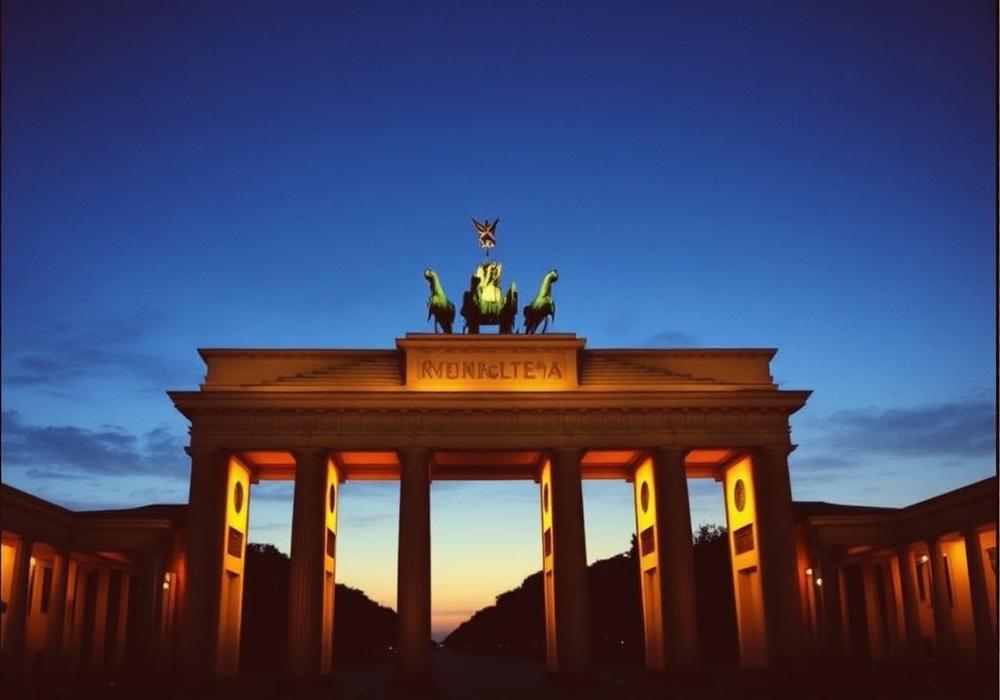
erlin’s relationship with its own history is unlike any other capital. The city does not paper over its scars — it labels them, fences them, and sometimes paints them in primary colors. To visit is to walk through a redacted document where some lines have been bolded and others crossed out.
We spent six weeks on the ground compiling this report. Every site listed here was visited at least twice, at different times of day, on foot. The opening hours were verified the week of publication. The recommendations come from no one’s PR team.
— Advertisement —
Ad Slot · ad-slot-incontent-1
responsive · 280px
The Context
When the Wall fell in 1989, most of its 155 kilometers were dismantled within five years. What remains today is a patchwork: three preserved sections, a painted gallery, a scattering of plinths marking where it once stood, and a thin double-cobblestone line that traces the original path through the city center.
Tourists tend to see only one of these — usually the East Side Gallery, which is impressive but heavily restored. The other fragments are more instructive precisely because they have been left to weather.

What We Found
The Gedenkstätte Berliner Mauer on Bernauer Straße is the only place where you can see the full structure: the outer wall, the death strip, the watchtower, and the inner wall. It is also the quietest. Most visitors never make it this far north of Mitte.
“Most of the wall is gone. What’s left is mostly memorial. The rest is cobblestones underfoot.”
At Checkpoint Charlie, almost nothing of the original site remains. The guardhouse is a replica. The actors in costume are seasonal workers. The museum across the street, however, holds a serious archive — including one of the original escape cars with the false floor still visible.